The Best Fireplace Store Tips For Changing Your Life
The Ultimate Guide to Fireplace Stores: Everything You Need to Know
Fireplaces have long been a sign of heat, convenience, and style within a home. They create a focal point in living spaces and use a relaxing environment for families and pals to gather around. As an outcome, the fireplace market has actually seen a rise in demand for different styles, models, and devices. This post explores what to think about when checking out a fireplace store, types of fireplaces available, and responses to often asked questions, offering a detailed summary for homeowners aiming to make a purchase.
The Importance of Choosing the Right Fireplace Store
Acquiring a fireplace is a significant investment, making it vital for property owners to choose a trustworthy and well-informed fireplace store. Here are some factors why choosing the ideal store matters:
Wide Variety of Options: A reputable fireplace store uses a diverse variety of fireplaces, including wood-burning, gas, and electric alternatives. This variety ensures that property owners can find the ideal suitable for their taste and needs.
Expert Guidance: Knowledgeable staff can provide important insights into the advantages and disadvantages of each kind of fireplace, helping clients make informed decisions.
Quality Assurance: Established shops are more likely to carry premium products from trusted brands, ensuring consumer satisfaction and safety.
Installation Services: Many fireplace stores provide setup services and after-sales support, making sure that the system is not only purchased however is also correctly set up and preserved.
Personalization Options: Some shops supply custom-built fireplaces, accommodating special preferences in design, size, and functionality.
Kinds Of Fireplaces Available
When checking out a fireplace store, consumers will experience various types of fireplaces. Comprehending these options can help in selecting the best one for a home.
1. Wood-Burning Fireplaces
- Description: Traditional type that uses wood logs as fuel.
- Advantages:
- Offers a classic ambiance and the crackling sound of burning wood.
- Can be more cost-effective in regions plentiful in wood supply.
2. Gas Fireplaces
- Description: Uses gas or gas and fires up with the flip of a switch.
- Advantages:
- Easier to operate and maintain than wood-burning models.
- Supplies a constant heat output and can be more energy-efficient.
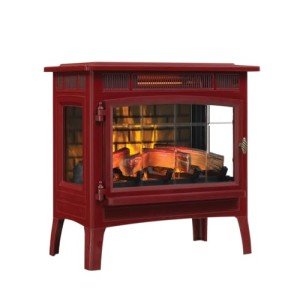
3. Electric Fireplaces
- Description: Uses electrical energy to create heat and produce a flame impact.
- Benefits:
- Requires no venting, making installation easier.
- Deals various settings for flame and heat strength.
4. Gel Fuel Fireplaces
- Description: Uses gel fuel containers to produce a genuine flame without venting.
- Advantages:
- Portable and simple to set up.
- No requirement for a chimney or gas line.
5. Ethanol Fireplaces
- Description: Burns bioethanol fuel, offering a real flame.
- Advantages:
- Environmentally friendly without any smoke or ash.
- Can be utilized indoors or outdoors.
Fireplace Type
Fuel Source
Vent Requirement
Installation Cost
Upkeep
Wood-Burning
Wood
Yes
Moderate
High
Gas
Natural Gas/Propane
Yes (or optional)
Low
Low
Electric
Electricity
No
Low
Really Low
Gel Fuel
Gel Fuel
No
Very Low
Very Low
Ethanol
Bioethanol
No
Low
Low
Aspects to Consider When Shopping
When checking out a fireplace store, a number of elements ought to be considered before making a purchase:
Space: Measure the area where the fireplace will be set up to ensure the picked model fits conveniently.
Heating Needs: Assess the square video footage of the space to identify the necessary heat output.
Style: Choose a fireplace that matches existing decoration, whether it's rustic, modern, or traditional.
Budget: Set a spending plan that includes both the system's purchase and installation costs.
Local Regulations: Check court codes relating to fireplace setup to guarantee compliance.
Frequently Asked Questions About Fireplace Stores
1. What is internet site of fireplace for a home?
The “best” type depends upon the homeowner's needs and choices. Gas fireplaces are popular for their convenience, while wood-burning fireplaces provide a classic experience.
2. Just how much does a fireplace expense?
Expenses can differ considerably based upon the type, style, and installation complexity. Standard models may start at a couple of hundred dollars, while custom systems can surpass numerous thousand.
3. Are electric fireplaces safe?
Yes, electric fireplaces are normally considered safe. They do not produce real flames or emissions, lowering the threats related to traditional fireplaces.
4. How do Fireplace USA maintain my fireplace?
Maintenance differs by type. Wood-burning models require cleaning of the chimney and flue, while gas fireplaces might need annual inspections. Electric fireplaces normally need minimal maintenance.
5. Can I install a fireplace myself?
While some electric and gel fireplaces can be set up as DIY projects, it's normally best to work with specialists for gas and wood-burning fireplaces to ensure safety and compliance with structure codes.
Selecting the right fireplace store is just as important as choosing the kind of fireplace itself. House owners need to weigh their options thoroughly, considering factors such as installation requirements, heating requirements, and general looks. With the best information and guidance from knowledgeable personnel, customers can with confidence pick a fireplace that completely matches their home while supplying heat and comfort for many years to come.